The Brandywine Valley from Philadelphia: Longwood’s Timed Ticket, Three Generations of Wyeths, and 1777
Forty-five minutes southwest, the du Ponts’ valley runs America’s grandest gardens on a timed ticket, hangs three generations of one family’s imagination in a riverside mill — and keeps the ground where Lafayette bled in 1777.
The short version
- The valley sits about forty-five minutes southwest of the city with the alarm’s transport honesty in force: no practical transit reaches the gardens-museum-battlefield triangle, and the car plans the day.
- Longwood Gardens — the du Pont estate grown into the country’s premier display garden — runs timed tickets, closes Tuesdays, and permits no re-entry, per the alarm’s booking-first clause; the conservatory’s four acres of glass, the fountain garden’s engineered theater, and the seasonal calendar book at longwoodgardens.org.
- The fountain shows are the timing anchor: the main garden’s illuminated performances run summer evenings on posted schedules, and the no-re-entry rule means the exit hour is chosen when the ticket is.
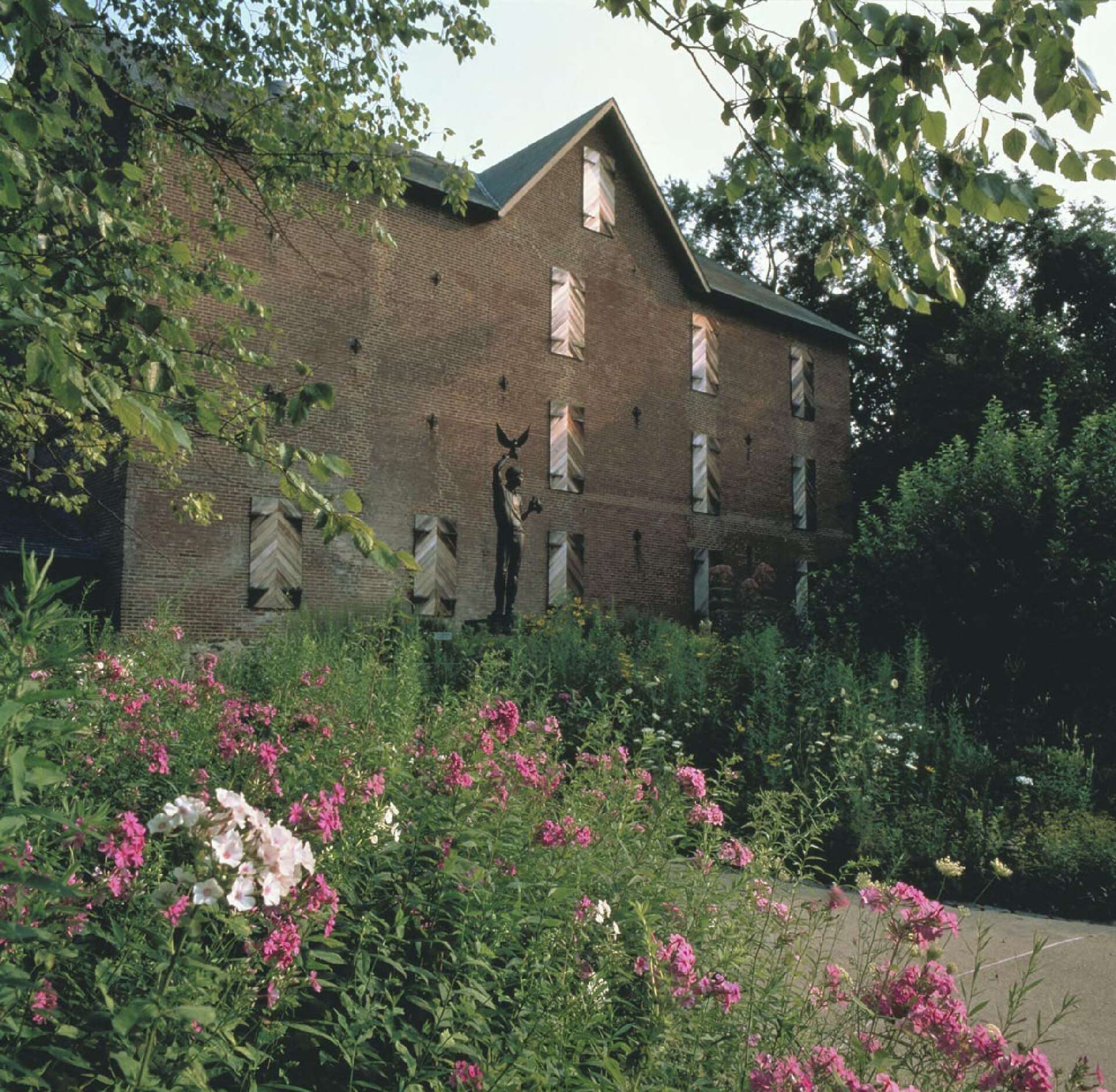
- The Brandywine Museum of Art hangs the Wyeths in a converted 19th-century mill on the river: N.C.’s illustration drama, Andrew’s tempera austerity, Jamie’s continuations — three generations of one family per the alarm, with the studio tours (seasonal, shuttled) adding the actual workrooms.
- The Battle of Brandywine — September 11, 1777 — ranks among the Revolution’s largest engagements by troops in the field: Washington outflanked, Philadelphia lost weeks later, and the nineteen-year-old Lafayette wounded rallying the retreat; the state historic site’s grounds and house tours hold the story at modest cost.
- The du Pont layer extends by appetite: Winterthur’s American decorative-arts floors and naturalistic garden a few minutes on, and the valley’s mushroom-capital farm stands (Kennett Square grows half the country’s crop) supplying the lunch identity.

Getting there
The alarm’s sequence is the logistics: Longwood’s timed slot first, the day built around it, and the museum-battlefield pair arranged on the driving loop the valley’s roads make natural. Summer fountain-show evenings invert the order — gardens last, exit through the illuminated finale — while daytime visits run gardens-first before the tour buses stack the conservatory. The museum and battlefield sit ten minutes from the gardens and each other; Winterthur adds fifteen more for the committed.
The day
Longwood at the booked hour: the conservatory’s glass acres first (orchid house, fern floor, the seasonal spectacle the calendar scheduled), then the outdoor architecture — the Italian water garden, the topiary, the main fountain garden’s engineering — at the pace four hundred acres suggest. Lunch runs the garden’s own café or Kennett Square’s mushroom-forward tables. The museum takes the early afternoon: N.C.’s pirates and knights at full canvas volume, Andrew’s Chadds Ford neighbors and windows in dry winter light, the river outside the gallery glass being the same river in the paintings. The battlefield closes the loop for the history-minded per the alarm — the visitor center’s map orientation, Lafayette’s quarters, and the fields whose scale explains the day’s loss. Fountain-show visitors re-enter nothing: they saved Longwood for the evening slot and end inside the lit water instead. The drive home runs forty-five unhurried minutes either way.
When to go
Longwood engineered away the off-season — the conservatory carries winter, Christmas lights run the year’s biggest draw, spring and autumn dress the outdoor acres, and the fountain performances anchor May through September evenings. The Tuesday closure per the alarm is absolute; holiday weeks book out entirely. The museum runs year-round with the studio tours in season. The battlefield’s anniversary programs land mid-September. The valley’s true peak is a summer Saturday built backward from an evening fountain show — booked, per the alarm, before anything else.
Frequently Asked Questions
Why is the no-re-entry rule such a big deal?
Because the fountain shows run in the evening and the gardens fill a whole day — leave at four and the ticket won’t readmit you at seven. The solution is choosing the slot deliberately: day visit or evening-show visit, with late-afternoon entries bridging both for those who plan the meals around it. The alarm front-loads the booking for exactly this arithmetic.
Which Wyeth should I know before visiting?
Andrew anchors the collection and the valley — Christina’s World’s painter, working these fields and neighbors for seventy years — with N.C.’s golden-age illustration as the origin story and Jamie’s portraits as the continuation. The museum needs no homework: the mill’s windows frame the actual landscape between the paintings of it.
Is the battlefield worth it for non-history-buffs?
It’s a pleasant historic landscape with a compact story — the Revolution’s big field day, Lafayette’s blooding, Philadelphia’s fall — told in an hour of visitor center and house tour. History-minded travelers per the alarm rank it essential context; garden-first visitors can trade it for Winterthur without guilt.
What’s the Kennett Square mushroom thing?
The town grows roughly half of America’s mushrooms and leans into it — farm stands, mushroom soup as civic dish, a September festival — making it the valley’s lunch identity. The exotic-mushroom growers’ shops send you home with more shiitake than planned. It pairs naturally with the museum’s ten-minute distance.
Brandywine or Lancaster from Philadelphia?
Lancaster (documented on this network) for the market and plain-country culture by easy train; Brandywine for gardens, Wyeths, and du Pont polish by car. Rural authenticity versus cultivated splendor — the honest Philadelphia month does both and argues the ranking over mushroom soup.