Philadelphia Day Tours
I’m Serious Day Tour Man AI, your day trip expert. Ask me anything — where to go, how to get there, and what’s actually worth your day.
Philadelphia’s day trips radiate through three centuries: the winter encampment that forged the Continental Army thirty minutes west, a du Pont garden estate whose conservatory embarrasses most botanical gardens, and Lancaster County’s Amish farmland an hour out — visited below with the etiquette the community actually asks for.
The city itself holds the room where both founding documents were debated, and the ticket system for standing in it is worth understanding before you arrive. The city section ends at the cheesesteak question, answered without diplomacy.
Here’s what’s worth a day, with real times and honest trade-offs.

Popular Day Trips
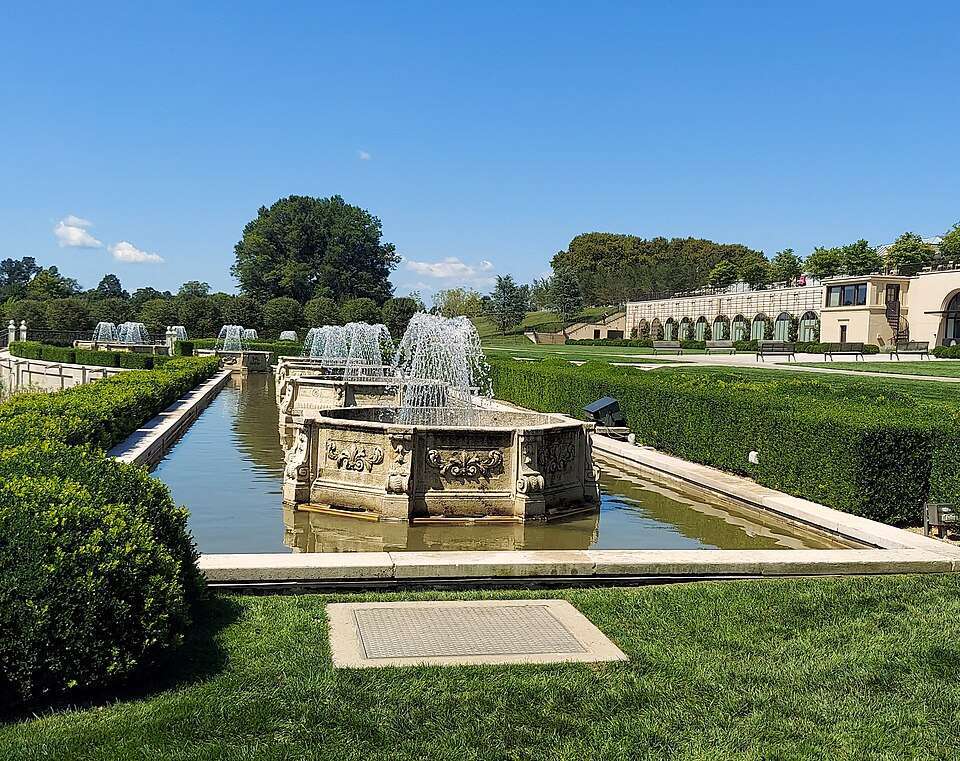
Longwood Gardens
The Timed Ticket, the Conservatory
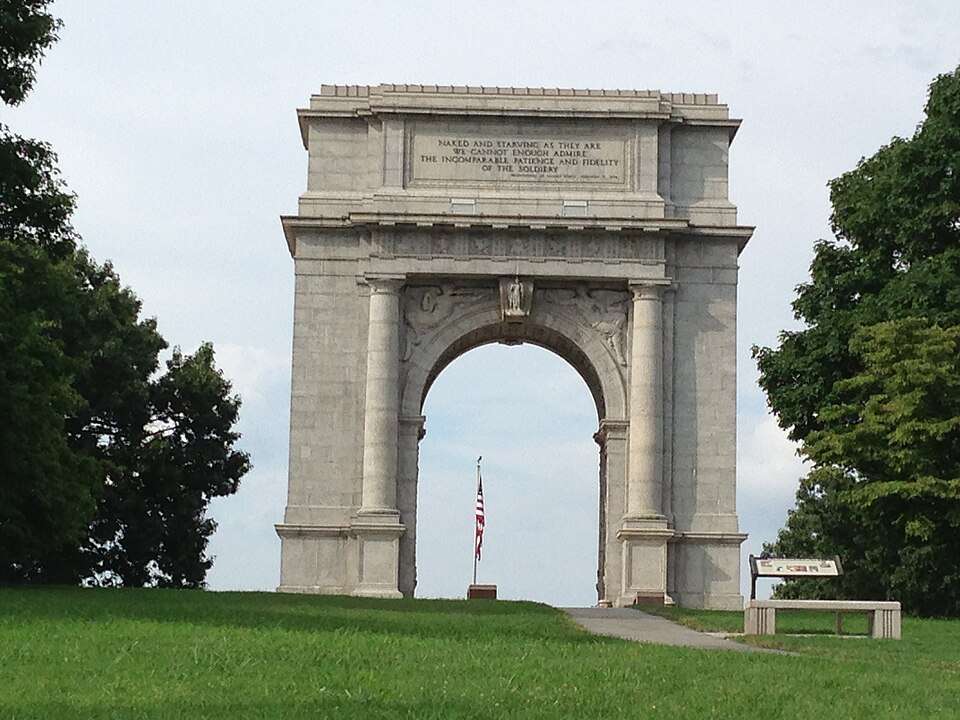
Valley Forge
The Free Park, the Winter That Was the Battle
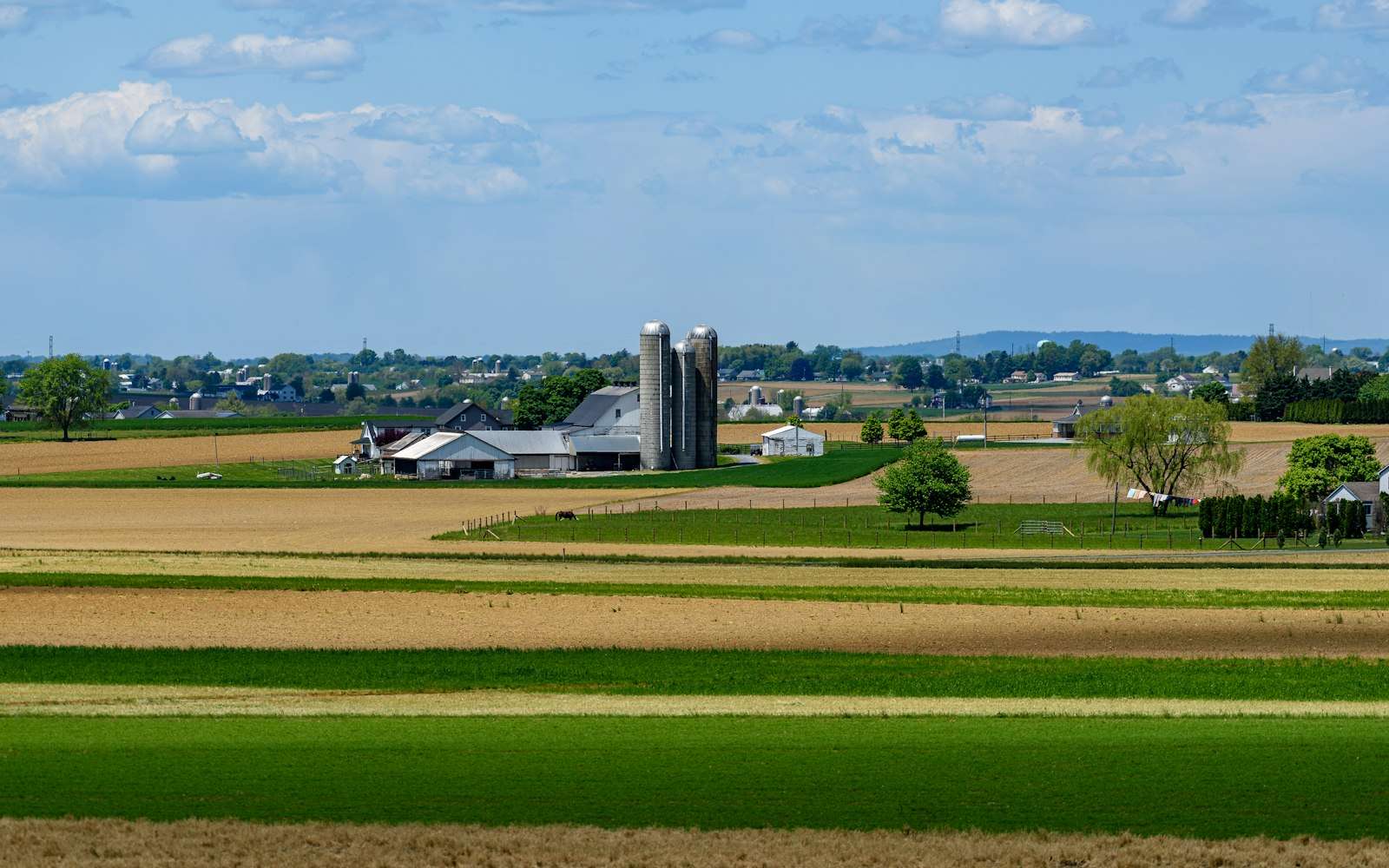
Lancaster
The Keystone Train, the Market-Day Rule
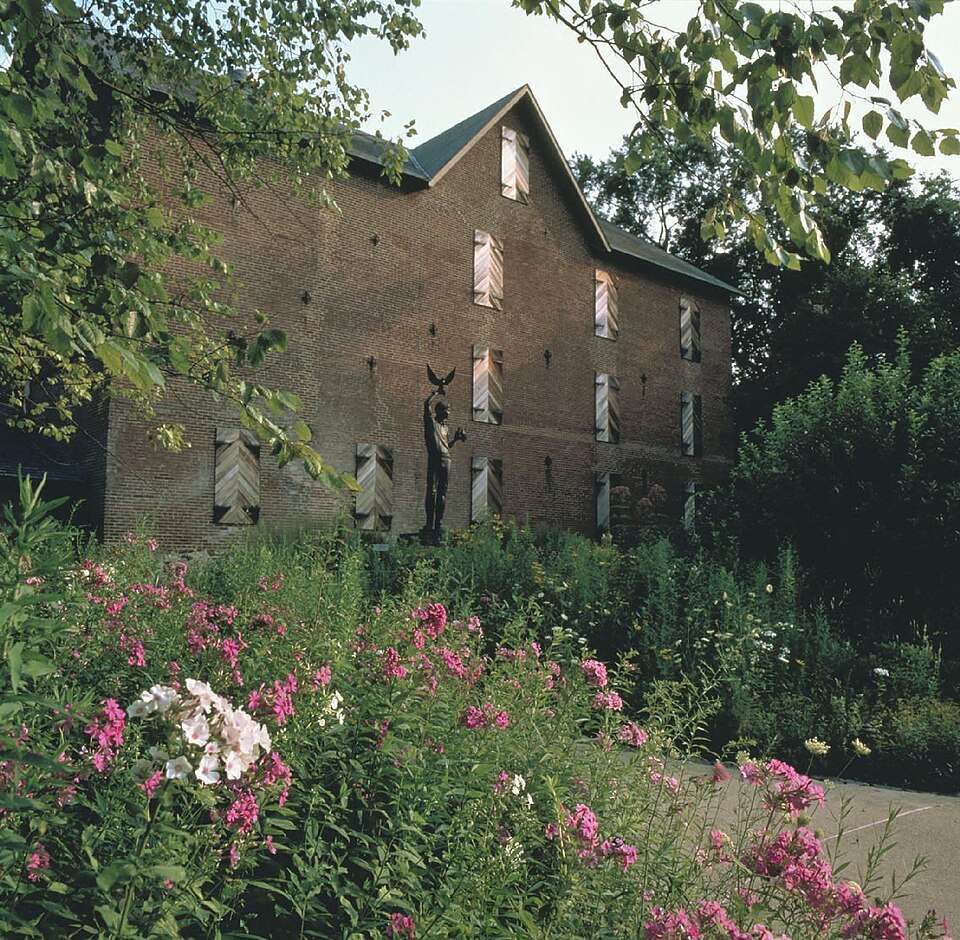
Brandywine
Longwood’s Timed Ticket, Three Generations of Wyeths
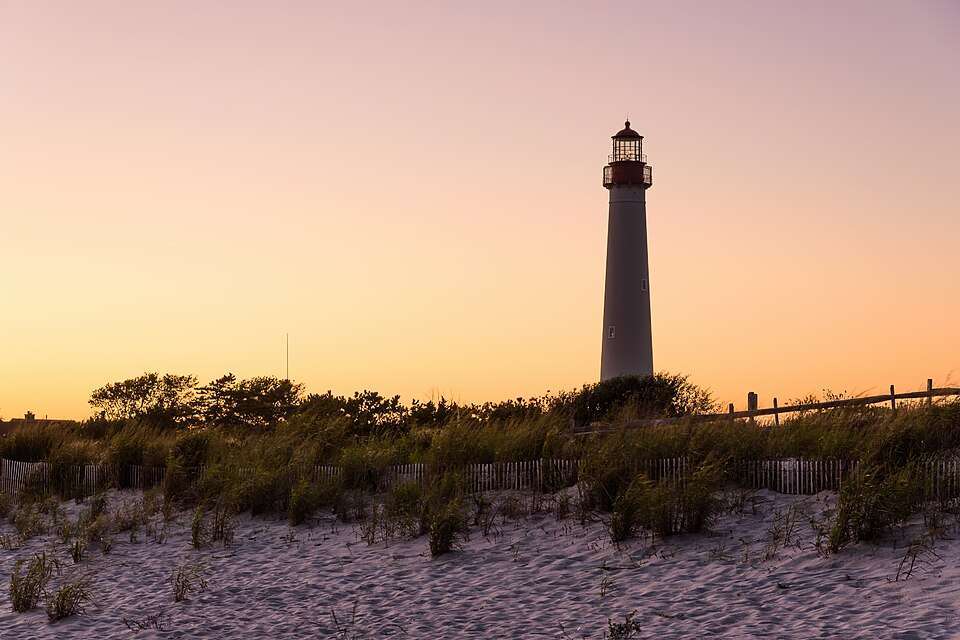
Cape May
America’s Oldest Seaside Resort, the Beach Tag Truth
Independence Hall & Old City — The Ticket Mechanics
The room where it happened runs on timed tickets, and the mechanics matter. Independence Hall tours are free with a $1 processing fee, reserved through the federal booking site on a 30-day rolling window, with a day-before batch released at 5 p.m. Eastern. Arrive at the 5th Street security screening thirty minutes before your slot — tours run about sixty people, start promptly, and late arrivals lose their place. Around July 4th the system flips to first-come, first-served with long lines, and there are no restrooms inside the secured area; the Visitor Center at 6th and Market covers that first.
The Liberty Bell next door requires no ticket at all — walk through, read the crack’s story, and know the line moves faster than it looks. The rest of Old City fills the day: the National Constitution Center’s live “Freedom Rising” theater, Elfreth’s Alley — the country’s oldest continuously inhabited street — Christ Church and its burial ground, where pennies accumulate on Franklin’s grave, and Carpenters’ Hall, where the First Continental Congress actually met. The whole district walks; the history-committed should take a ranger tour where offered, because the interpretation is the substance here.
Valley Forge — The Winter That Made the Army
Thirty minutes west, Valley Forge National Historical Park covers the 1777–78 winter encampment where the Continental Army didn’t fight a battle and won the war anyway: 2,000 soldiers died of disease and exposure while von Steuben drilled the survivors into a professional force. The story is endurance, not combat, and the park tells it well.
The format: the ten-mile encampment driving loop with the reconstructed log huts, Washington’s actual stone headquarters, the Memorial Arch, and the visitor center’s museum for the grounding half hour. Rangers and the seasonal trolley tours add the interpretation the landscape needs — the meadows read as parkland until someone explains what happened in them.
It is a half day, free, and best in shoulder seasons when the grounds echo the hardship a July picnic can’t. Cyclists and runners share the loop — the park doubles as the region’s best green space, and treating it as both is allowed. Pair it with the King of Prussia mall only if retail therapy is a genuine itinerary item; the juxtaposition is jarring and the traffic is real.
Read the full Valley Forge day-trip page.
Longwood Gardens & the Brandywine — The Estate Day
Forty-five minutes southwest, Longwood Gardens is the du Pont horticultural estate that outclasses most botanical gardens on earth: 1,000-plus acres, a four-acre glass conservatory, and the fountain theater whose summer illuminated shows are the region’s best evening ticket.
Admission runs on timed tickets bought ahead on the official site, the gardens close Tuesdays, entry is honored within thirty minutes of your slot, and there’s no re-entry once you leave — plan the meal inside or after. Summer Fridays through Sundays run late hours with the fountains lit; the Christmas display is the region’s institution, with weekend slots selling out well ahead.
The Brandywine Valley around it completes the day: the Brandywine Museum of Art in its riverside mill holds three generations of Wyeths — N.C.’s illustrations, Andrew’s tempera austerity, Jamie’s continuation — and Winterthur, the other du Pont estate, adds the American-decorative-arts house tour and naturalistic grounds. Longwood alone fills a day at strolling pace; Longwood plus one museum is ambitious; all three is a weekend.
Read the full Longwood Gardens day-trip page.
Read the full the Brandywine Valley day-trip page.
Lancaster County — Amish Country, Visited Properly
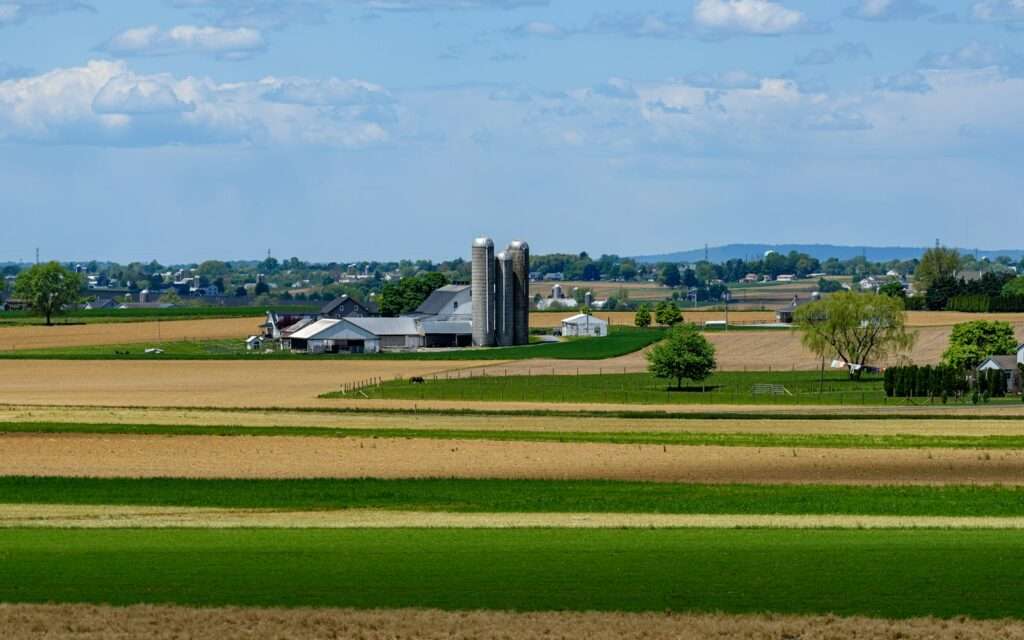
An hour west, the Pennsylvania Dutch farmland runs the most-visited rural community in America, and the visit works best with the etiquette stated plainly: the Amish generally do not want to be photographed — faces especially, by religious conviction, not shyness — so photograph landscapes and buggies from behind, buy where the community actually sells (the roadside farm stands and quilt rooms, where the money goes direct), and skip the staged “Amish experience” products in favor of the real economy.
The circuit: the Lancaster Central Market in the city — the country’s oldest continuously running public market, and the right first stop — then the back roads between Bird-in-Hand and Intercourse for the farm stands, a buggy-ride operation run with the community’s participation, and the Strasburg Rail Road’s steam run through the fields, which pairs with the Railroad Museum of Pennsylvania across the street for the train-inclined family’s whole afternoon.
Know the rhythm: everything Amish-run closes Sundays, which is the single most common planning mistake. Saturdays run fullest, weekdays gentlest, and the smorgasbord restaurants are the cheerful calorie institution they appear to be — portion accordingly.
Read the full Lancaster day-trip page.
New Hope & Bucks County — The River Day
An hour north, the Delaware River day is the region’s gentlest: New Hope and Lambertville face each other across a walkable bridge — galleries, bookshops, and canal towpaths on the Pennsylvania side, antique stores and the Saturday flea-market institution at Golden Nugget on the Jersey side — and the pair works as one town with a state line through it.
The Bucks County additions sort by taste. Doylestown holds the Mercer Mile: three poured-concrete castles built by tile-maker Henry Mercer — Fonthill, his fever-dream house; the Moravian tile works, still producing; and the Mercer Museum’s tools-of-vanished-trades tower, which is the county’s most genuinely odd hour. Washington Crossing Historic Park marks where the Christmas 1776 crossing launched, reenacted annually. And Peddler’s Village supplies the shopping-village format for those who want it.
This is the low-effort couples-and-antiques day. River tubing on the Delaware adds the summer option; fall drives the foliage crowds, so go midweek.
The Rocky Steps, Reading Terminal & Philadelphia Itself
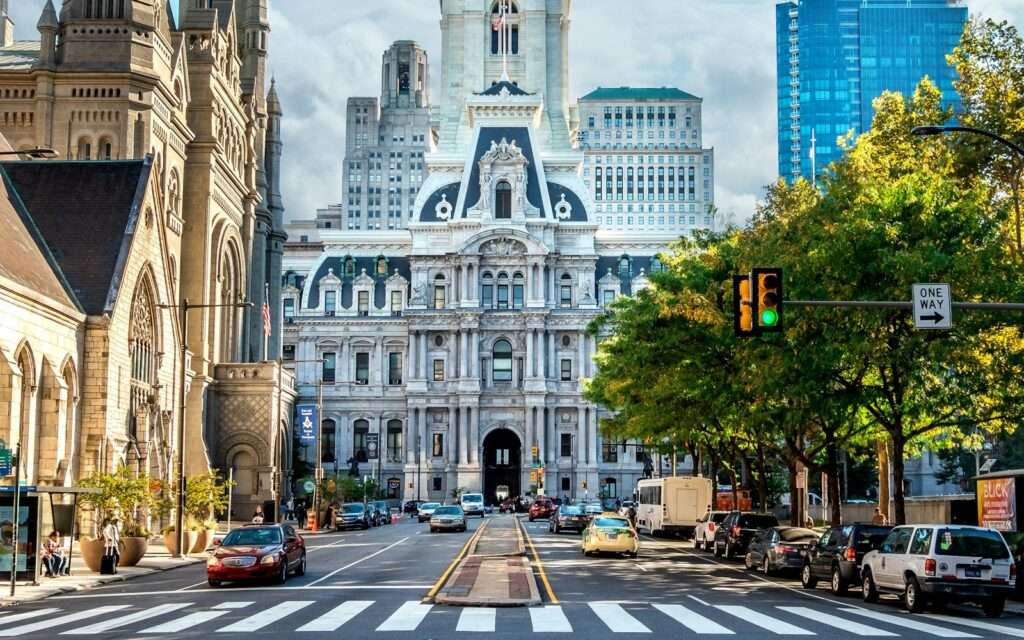
The museum district first: the Philadelphia Museum of Art’s steps are the Rocky ritual — run them, pose at the statue, then go inside, because the collection is a top-five American museum and most step-runners never learn it. The Barnes Foundation down the parkway holds the densest post-impressionist collection anywhere, hung in Albert Barnes’s idiosyncratic ensembles exactly as he ordered; book ahead. Eastern State Penitentiary — the ruined radial prison that held Capone — runs the audio tour narrated by Steve Buscemi, and it’s the city’s best unconventional ticket.
Reading Terminal Market is the eating anchor: the Amish merchants’ corner (closed Sundays, per the county rhythm above), the roast-pork sandwich — which locals will tell you outranks the cheesesteak, and they’re right — and the cookie-and-pretzel circuit. The cheesesteak answer, without diplomacy: the Pat’s-versus-Geno’s corner is theater for visitors; the better sandwich lives at the neighborhood shops — ask any local for their pick and order “wiz wit” or “provolone wit” with confidence. City Hall’s tower view, the Magic Gardens’ mosaic labyrinth on South Street, and Spruce Street Harbor Park’s summer hammocks round the list. Season math: April–June and September–October are the windows; summer runs hot and humid with the July 4th week as the crowd peak; and the Mummers Parade on New Year’s Day is the city’s strangest institution, attended deliberately or slept through.
Full day-trip pages: Cape May.
Frequently Asked Questions
How do you get Independence Hall tickets?
Free timed tickets ($1 fee) on the federal booking site — a 30-day rolling window plus a day-before batch at 5 p.m. Eastern. Arrive 30 minutes early for security. The Liberty Bell needs no ticket.
Is Valley Forge worth visiting?
Yes, as a free half day — the encampment loop, the log huts, and Washington’s headquarters tell the endurance story well. Take a ranger or trolley tour; the landscape needs the interpretation.
Do you need tickets ahead for Longwood Gardens?
Yes — timed admission on the official site, closed Tuesdays, no re-entry. Summer weekend evenings add the illuminated fountains; Christmas slots sell out weeks ahead.
What’s the etiquette in Amish country?
No photographs of faces — it’s religious conviction. Buy at the farm stands and quilt rooms where money goes direct, skip the staged attractions, and remember everything Amish-run closes Sundays.
Where should you get a cheesesteak?
Not the famous corner — that’s theater. Neighborhood shops make the better sandwich; ask a local, order “wiz wit,” and consider Reading Terminal’s roast pork, which outranks them all.