Lancaster from Philadelphia: The Keystone Train, the Market-Day Rule, and Neighbors, Not Exhibits
Seventy minutes west by frequent train, Lancaster runs one of America’s oldest public markets three days a week — and the countryside around it is home to people who are neighbors, not exhibits. Two rules before you go.
The short version
- Amtrak’s Keystone service runs Philadelphia 30th Street to Lancaster in about 70 minutes at high frequency and reasonable fares — amtrak.com — with the city’s compact center ten minutes’ walk from the station.
- Central Market anchors the alarm’s calendar rule: open Tuesdays, Fridays, and Saturdays in its 1889 red-brick hall on a market site trading since the 1730s — among the country’s oldest continuously running public markets by its long claim — with Pennsylvania Dutch standhold ers selling whoopie pies, shoofly, and the produce economy at source; days and hours at centralmarketlancaster.com.
- The respect rules per the alarm are the visit’s foundation: the Old Order Amish decline face photography on religious conviction — landscapes, buggies at distance, and farm scenes are the right lens — and the gray buggies share real roads at real speed differentials, which drivers treat as the safety fact it is.
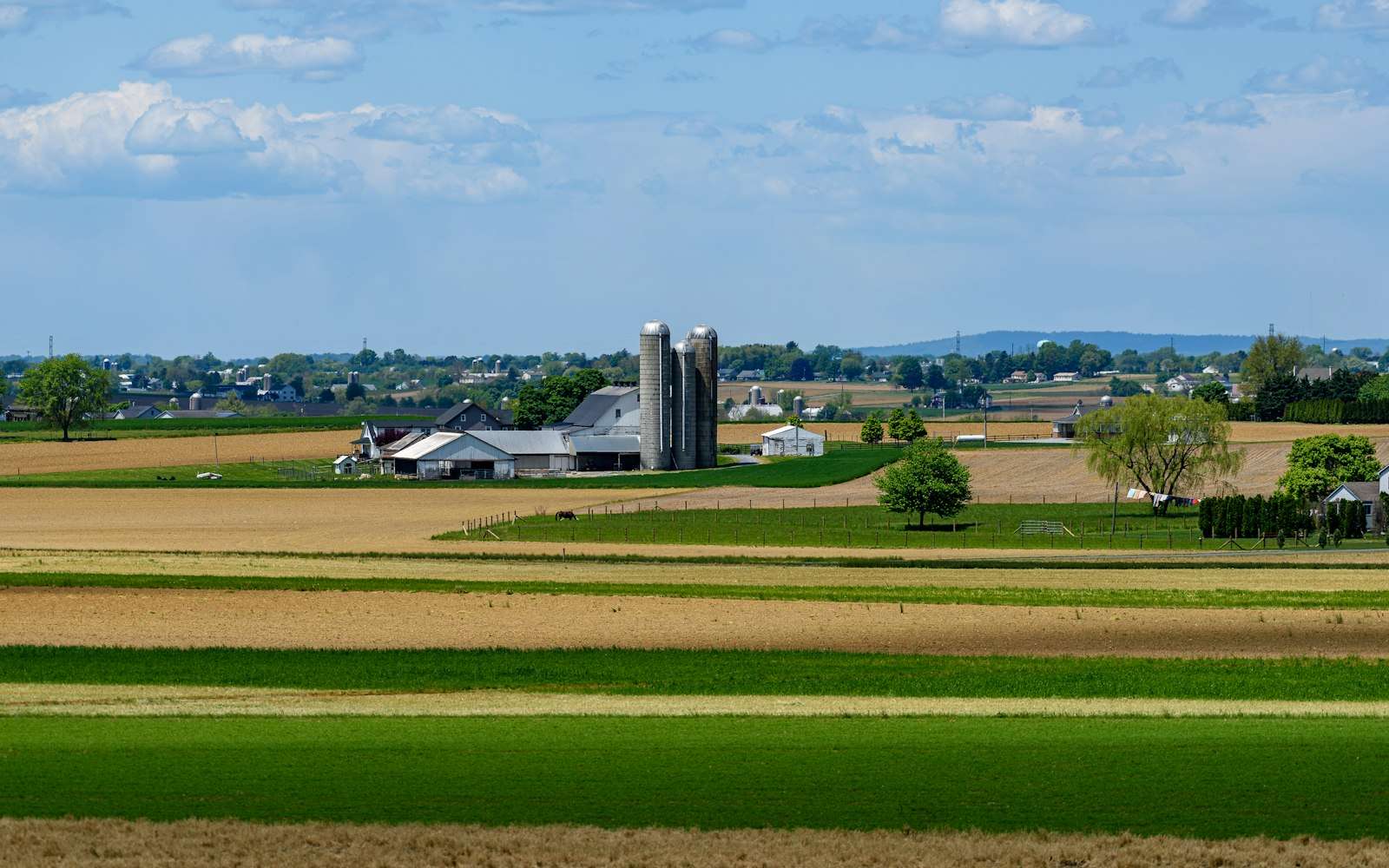
- The countryside’s transport honesty: the farm country spreads east of the city around Bird-in-Hand and Intercourse (the village names are historical and locals have heard every joke), reached by guided countryside tours, buggy-ride operations run with Amish and Mennonite families, or a rental car driven patiently.
- The eating layer runs from market grazing to the smorgasbord institutions’ Pennsylvania Dutch spreads — chicken pot pie, chow-chow, and the seven sweets and sours tradition at family-style scale.
- The Strasburg add stacks the rail layer: the Strasburg Rail Road’s steam excursions through the farmland and the Railroad Museum of Pennsylvania across the road make the half-day extension for anyone traveling with a train enthusiast of any age.

Getting there
The Keystone’s frequency makes this the rare countryside trip with genuinely easy rail — but the alarm’s market-day check comes first: a Tuesday, Friday, or Saturday anchors the whole structure, and a Monday visit finds the hall dark and the plan hollow. The countryside leg per the alarm needs booking or wheels — the tour operators run station-area pickups, the buggy rides post their farm locations, and ride-shares thin quickly east of the city. The city half walks itself.
The day
Market first on its open days: the hall at morning pace — pretzel and coffee in hand, the standholders’ generations posted on their signs, whoopie-pie comparison shopping conducted seriously — with the surrounding blocks’ galleries and the 1852 courthouse square as the city’s supporting cast. Then the countryside by the booked means: the guided loop’s farm visit and one-room-school context, or the buggy ride’s clop-paced miles with a driver answering questions the guidebooks won’t — plain talk about plain life, given as hospitality and received per the alarm’s register. Lunch lands at a smorgasbord institution or back at the market’s counters. The afternoon takes Strasburg’s steam hour and the railroad museum’s roundhouse for the rail-inclined, or the covered bridges and farm stands by patient car for the rest. The evening Keystone runs you home against the farmland’s long light.
When to go
April through October runs the countryside at working strength — planting through harvest, roadside stands full, and the summer’s produce peak at the market. The market itself holds its three-day rhythm year-round, per the alarm’s rule. Mud sales (the fire companies’ spring auction season) open a genuine community window for respectful visitors; winter quiets everything to the market-and-museum version. Sundays close the Amish businesses entirely — the countryside rests, and the visit should plan around that fact with the same respect the alarm set.
Frequently Asked Questions
Why no photographs of people?
Old Order interpretation of the graven-image commandment and a conviction about vanity — declining the camera is religious practice, not shyness or unfriendliness, per the alarm’s plain statement. Ask-first applies to Mennonite neighbors who may consent; the safe rule photographs landscapes and lets faces be.
Are the buggy rides authentic or staged?
The established operations are real family businesses — Amish and Mennonite drivers, working horses, actual roads — and the conversation aboard is the product’s genuine half. It’s hospitality-as-commerce, entered into openly on both sides, which is the fair frame.
What should I actually eat?
At the market: a soft pretzel, whoopie pie, and shoofly slice as the canonical triple. At the smorgasbords: chicken pot pie (the Dutch noodle version, not a crust), the sweets-and-sours relish spread, and pacing discipline. The countryside farm stands sell the produce the region actually runs on.
Is Strasburg worth the extension?
For anyone with rail affection, easily — the steam road’s 45-minute farmland run and the museum’s full roundhouse of preserved locomotives make the country’s best casual rail half-day. It needs a car or tour transport from Lancaster city; the schedules stack cleanly after a market morning.
Lancaster or Brandywine from Philadelphia?
Brandywine (documented on this network) for the Wyeths and du Pont gardens; Lancaster for the market and the farmland’s living culture. Art valley versus plain country — the Keystone’s ease tilts casual planning toward Lancaster; the museums tilt it back.